Blog
Notes on design, software, craft, and product thinking.
AI chat makes software easier, but not faster, to use
New research suggests AI chatbots can reduce clicks and navigation without making tasks faster. What that means for AI UX, delegation, and interface design.

Product design in the age of AI
As AI makes design faster and cheaper, the value of designers shifts from producing artifacts to framing decisions and taking responsibility for the quality of what gets made.

Learning is messy
We learn quickest through the messy experimentation that allows us to build intuition, judgment, and a deeper understanding of what's possible.

On learned helplessness
The thing about learned helplessness is that it can feel like the world is against you, when it's really you against you.
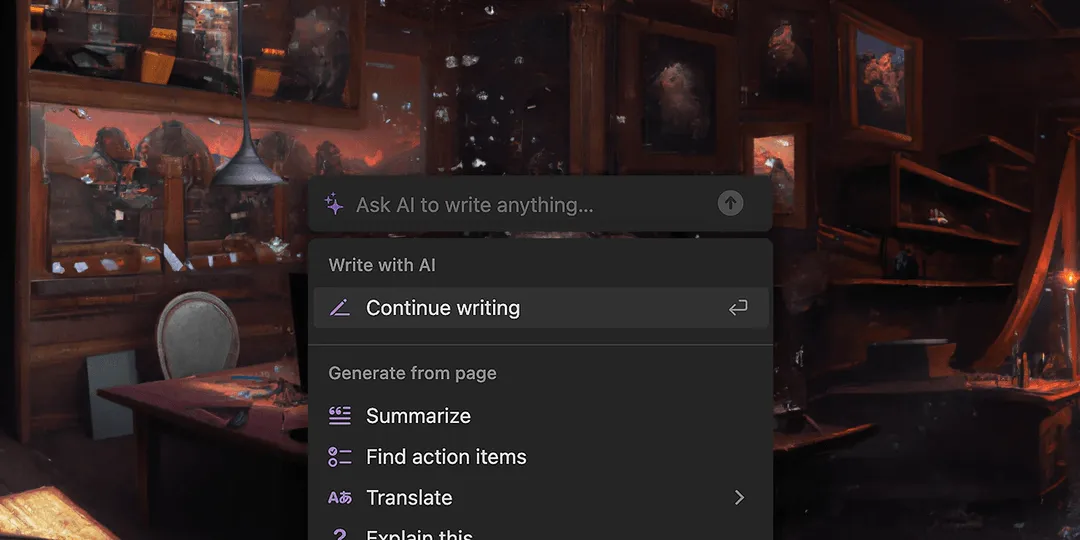
How I supercharge my work journal with Notion AI
How I use Notion AI in my work journal to summarize work, surface insights, spot trends, and generate design case study outlines.

How my design portfolio has evolved over the past 15 years
A look back at 15 years of my portfolio website, the experiments and patterns I used to present my design work and career online.

Using a work journal to create design case studies
How keeping a work journal helps designers reflect, grow, and turn day-to-day notes into compelling portfolio case studies.
Systems thinking is what makes designers great
Why the best designers stand out not for polish alone, but for thinking holistically about how their work affects everything it touches.

Time with teammates is as important as time with users
Designers need to invest just as much time in getting to know their teammates and cross-functional partners.
How to measure design impact
A step-by-step method for measuring design impact by combining top tasks with PURE usability ratings, as applied at Gem.

The bridge to Head of Design
Reflections on becoming Head of Design at an early-stage startup, bridging the gap between individual contributor and manager at Gem.

What to do about ambiguous design problems
Why, when facing an ambiguous design problem with no clear definition, the most powerful thing you can do is start moving in any direction.