Blog
Notes on design, software, craft, and product thinking.
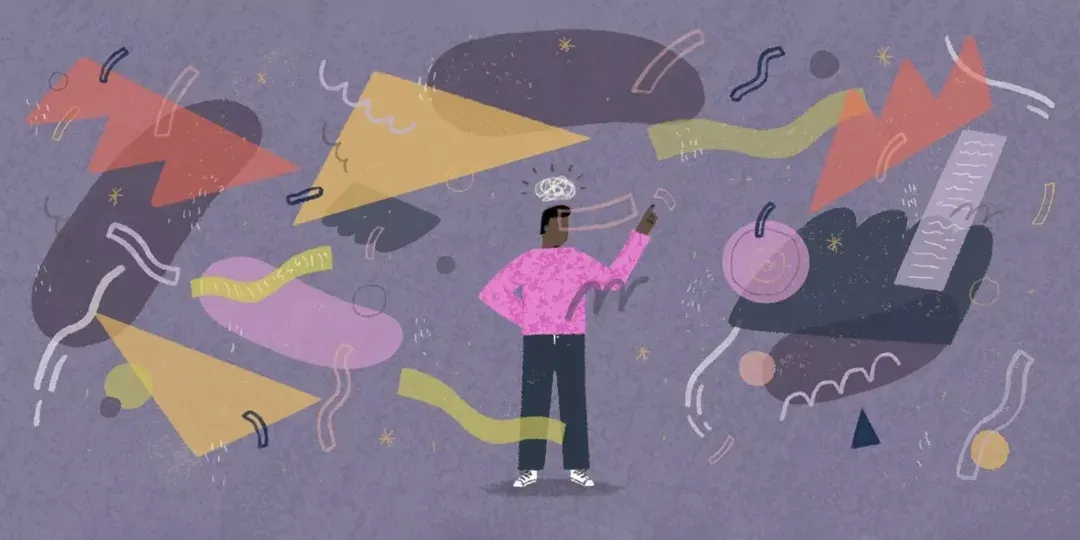
Designing the best possible solution
Most problems have many possible solutions. Our job as digital creators is to identify the trade-offs and constraints that will enable us to select the best possible solution for any given problem.
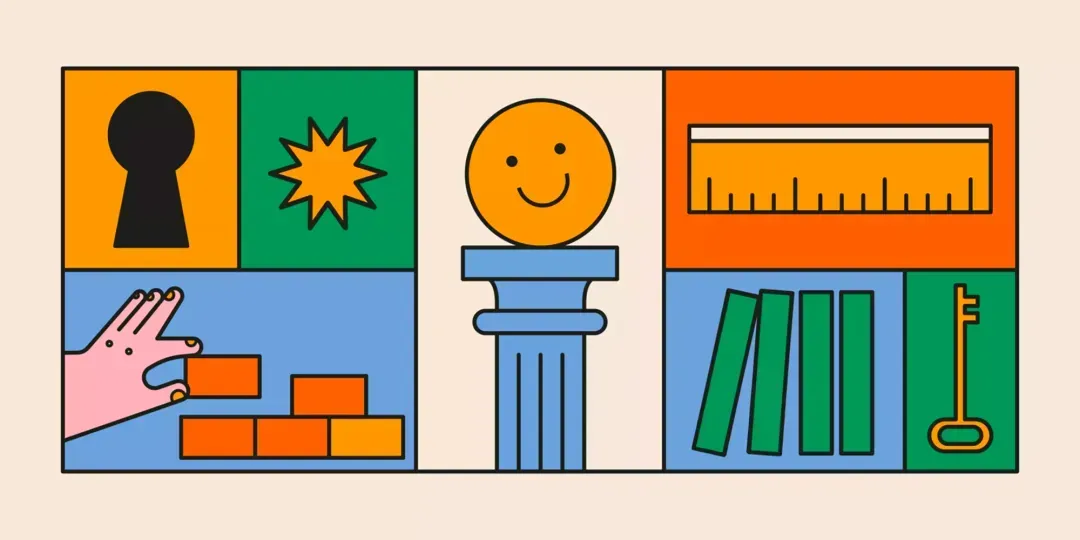
How to measure design impact
A step-by-step method for measuring design impact by combining top tasks with PURE usability ratings, as applied at Gem.

The bridge to Head of Design
Reflections on becoming Head of Design at an early-stage startup, bridging the gap between individual contributor and manager at Gem.
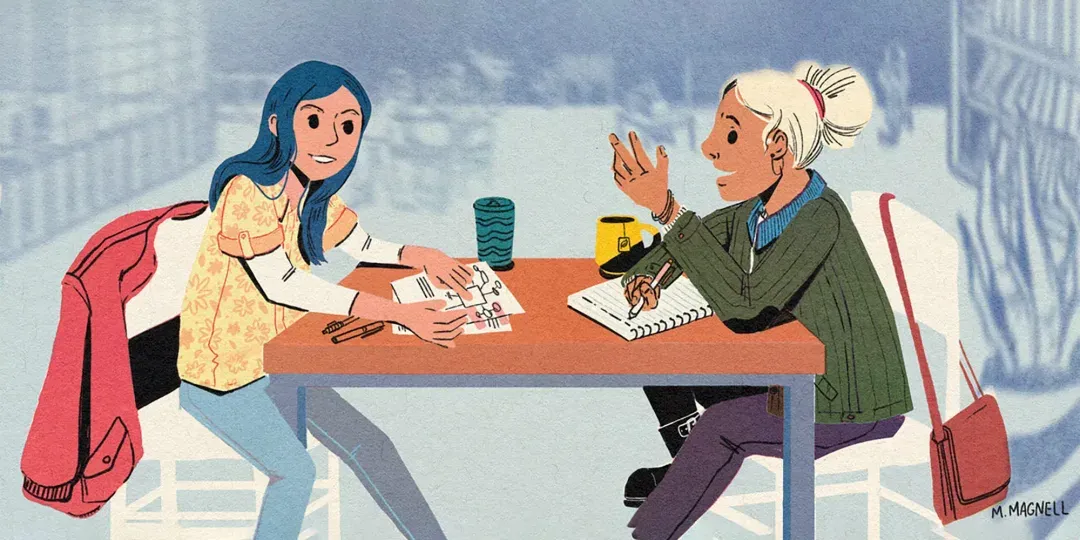
How to have better one-on-ones
To make your one-on-ones more effective: define and agree upon their purpose together, be clear about the schedule, use the time to sync on anything you can't anywhere else, and work to keep things casual.
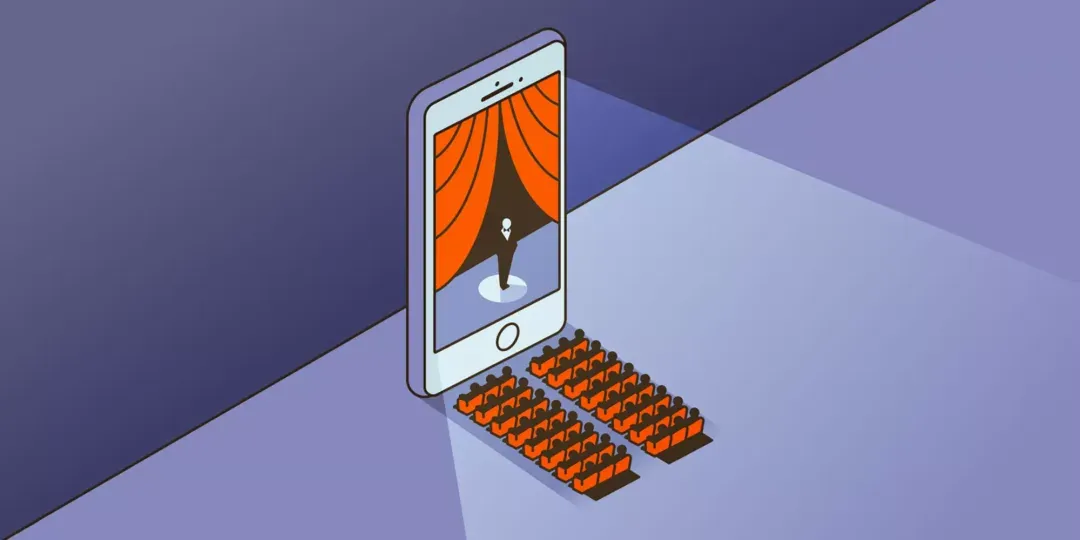
Design requires a product narrative
To design effective experiences it's not enough to think of our work in terms of features, patterns, or libraries, but rather experiences that play out in a narrative arc, wherein the user is the star.
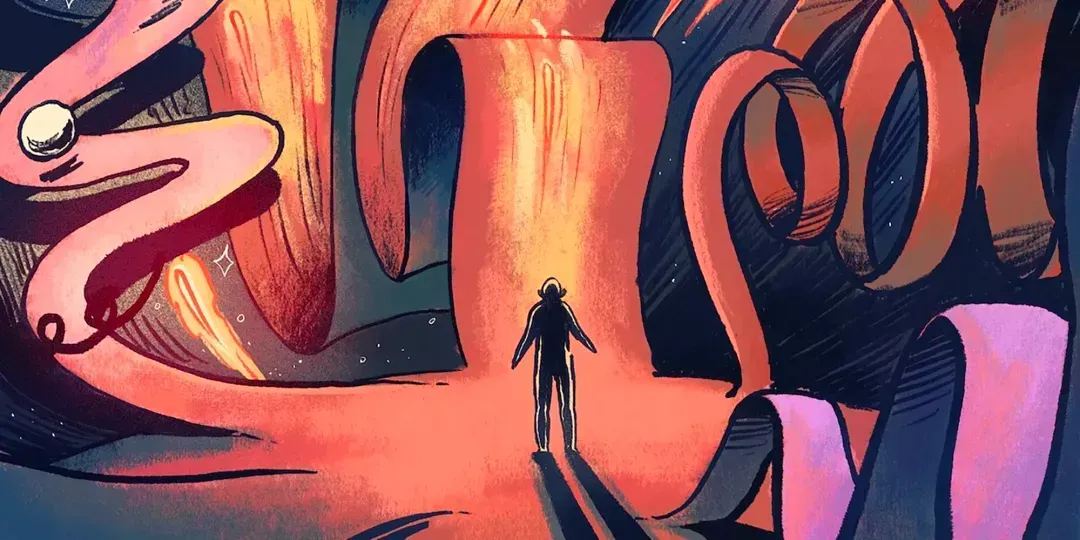
What to do about ambiguous design problems
Why, when facing an ambiguous design problem with no clear definition, the most powerful thing you can do is start moving in any direction.

What we get wrong as designers
It feels good to be right, and seeking right ideas is more comfortable than seeking wrong ones. But regularly trying to be right (to validate our ideas) only shuts us off from what's actually right and best.

Defining your own career path
Why the answer to every career question is 'it depends'—and how defining your path means looking inward at who you really want to be.

Where do IC designers go once they peak?
On why senior individual-contributor designers shouldn't have to move into management to grow—and how the industry can build a real IC leadership track.
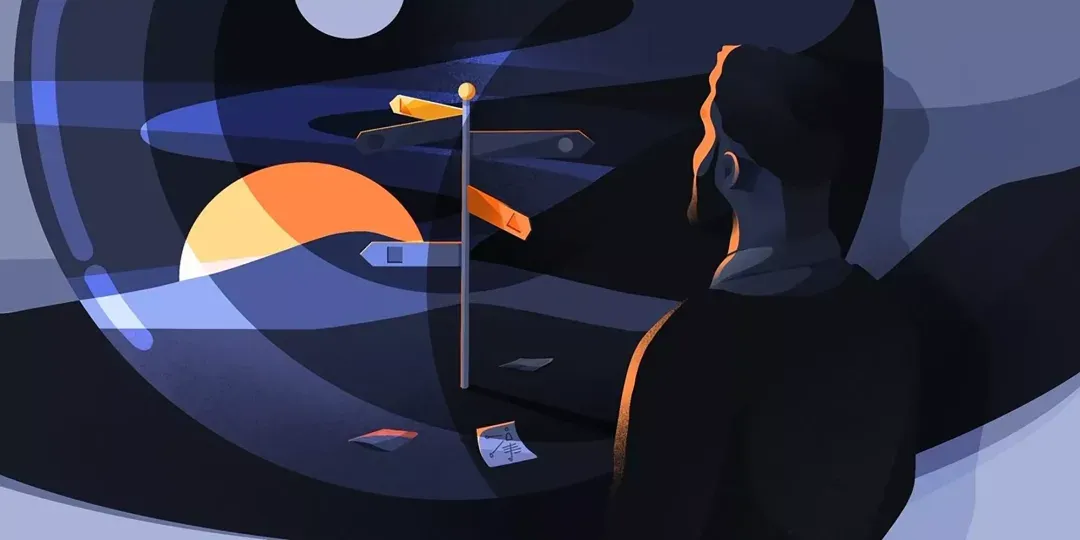
Everything is as simple or complex as you want it to be
As creators, our role is to not only look at the top, face level of what it is we build (or what inspires us) but also the many different layers of complexity contained within the thing.

Design edge cases and where to find them
Four strategies for surfacing the edge cases that hide in any product, from extreme scales to accessibility, technology, and user intentions.

What it means to be a designer who's creative
Why creative design is not art: it lives at the intersection of uniqueness and value, propelled by constraints rather than freed from them.